

Perfect for hikes and walks


Unique lake formation
Characteristics of The Seven Rila Lakes
The Seven Rila Lakes are without a doubt one of the most notable natural attractions on the Balkan Peninsula, a dream destination not to be missed. Their beauty touches the thousands of Bulgarian and international visitors who visit them.
Rila Mountains with their highest peak Musala (2925 m. a. s. l.) are the highest in Bulgaria and on whole Balkan Peninsula. They represent the sixth highest mountain range in Europe as well. The name of the mountains has a Thracian origin and means “plenty of water”. The fact that Rila had twice been frozen has most influenced its landscape formation. The numerous cirques, well – formed glacial valleys, alpine mounts and more than 180 glacial lakes are certain proof of that.
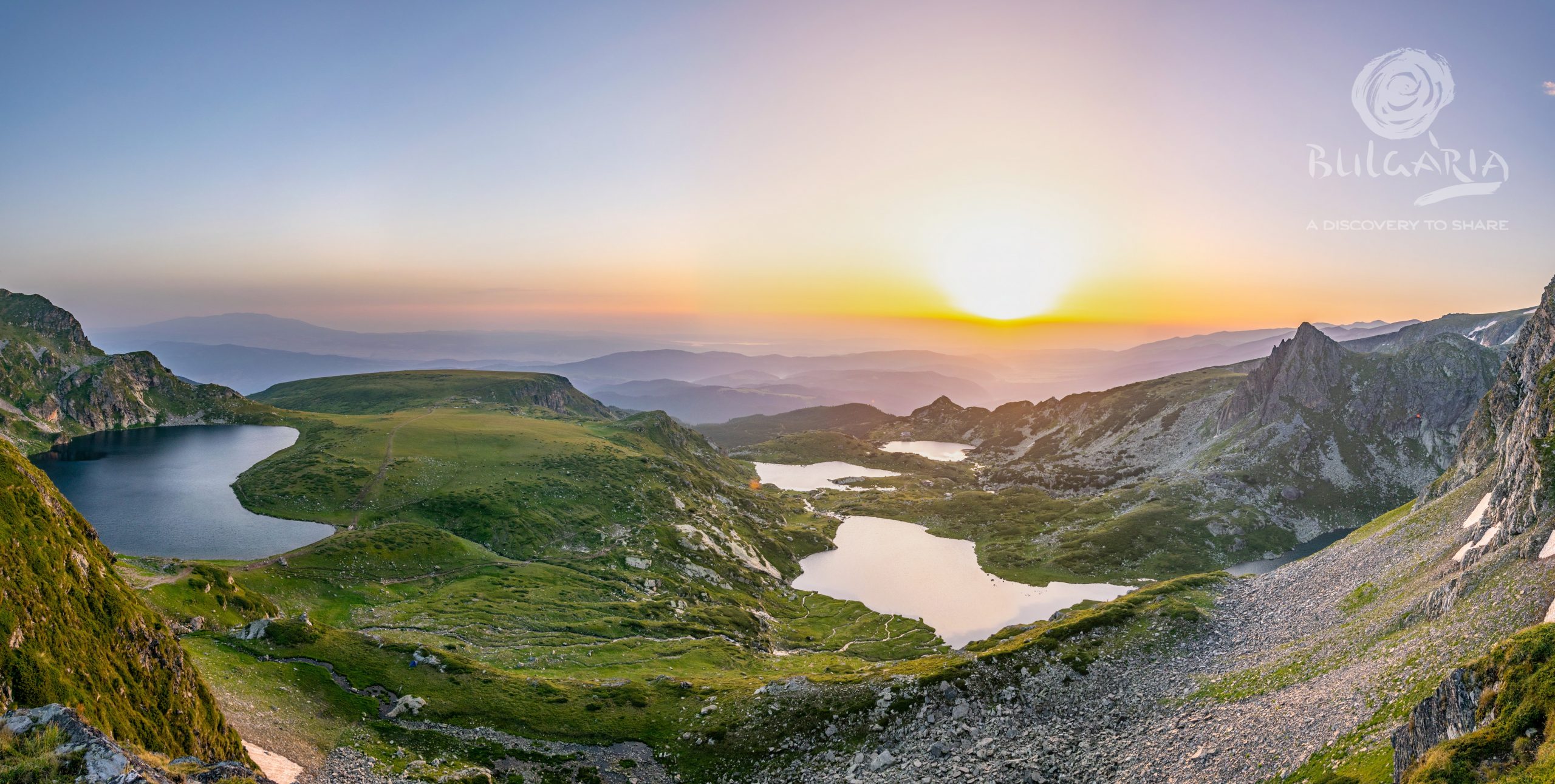
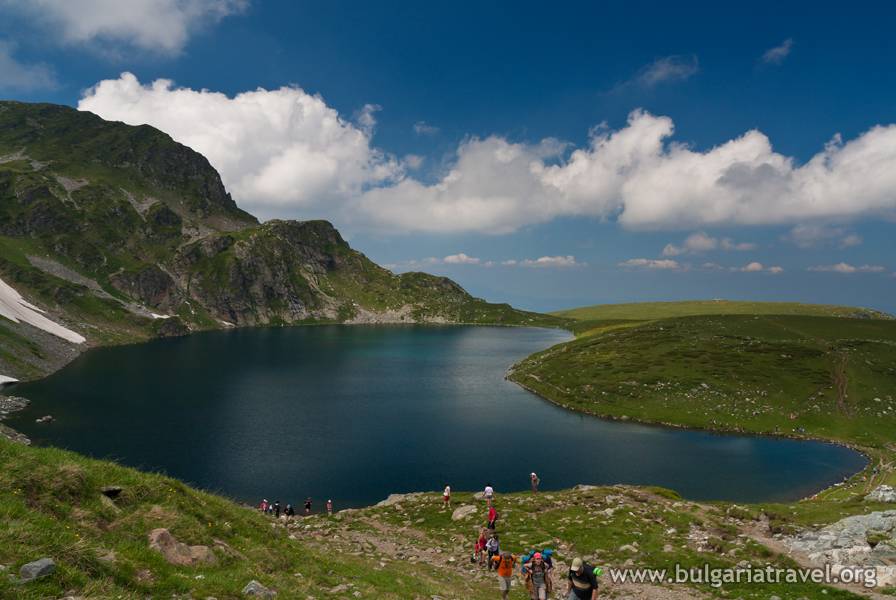
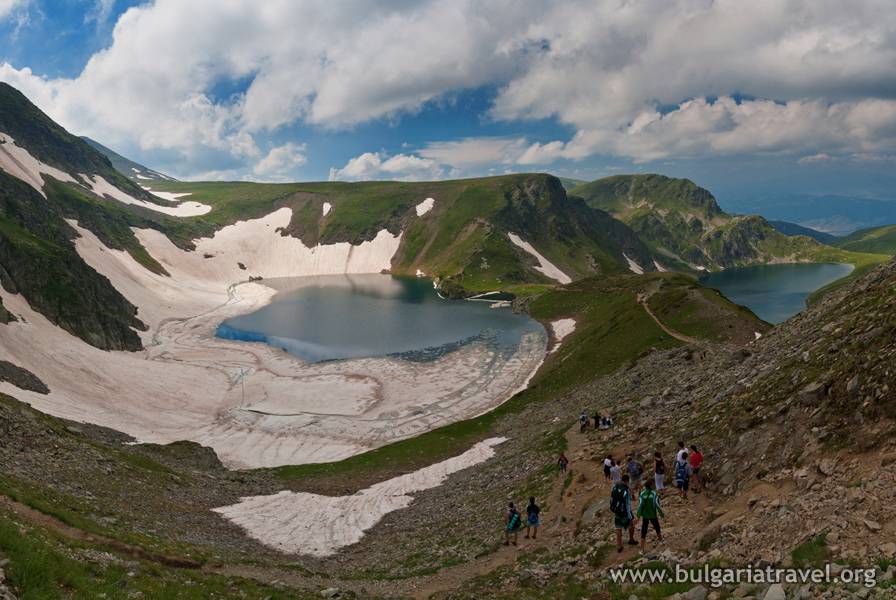
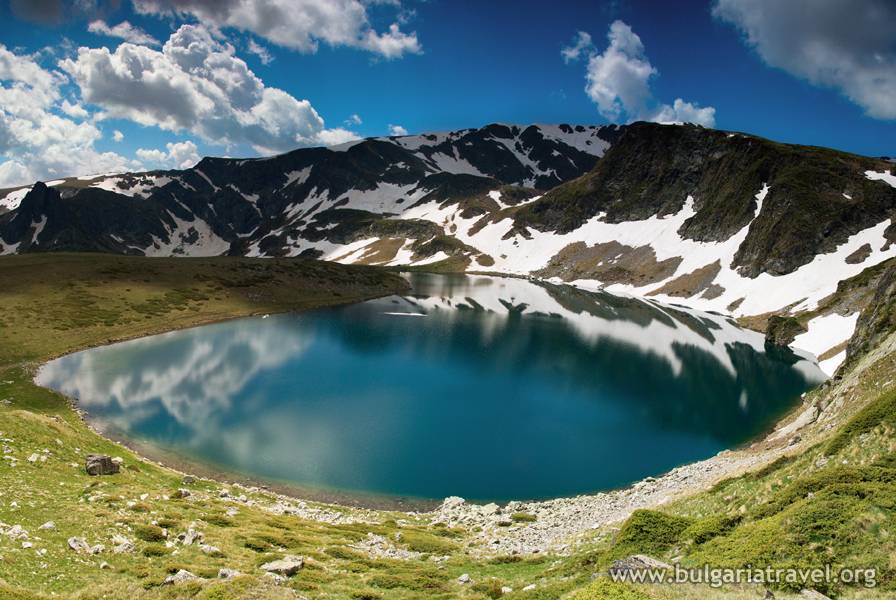
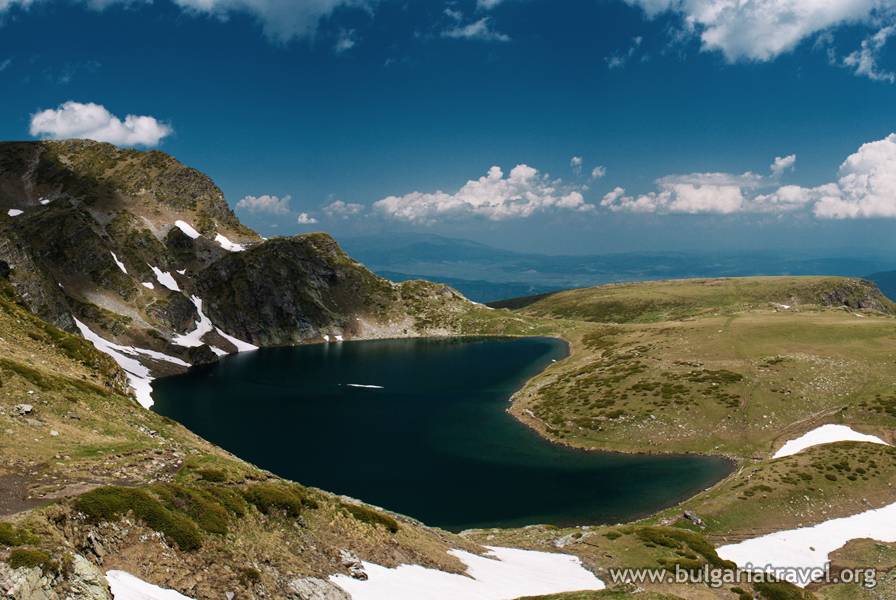
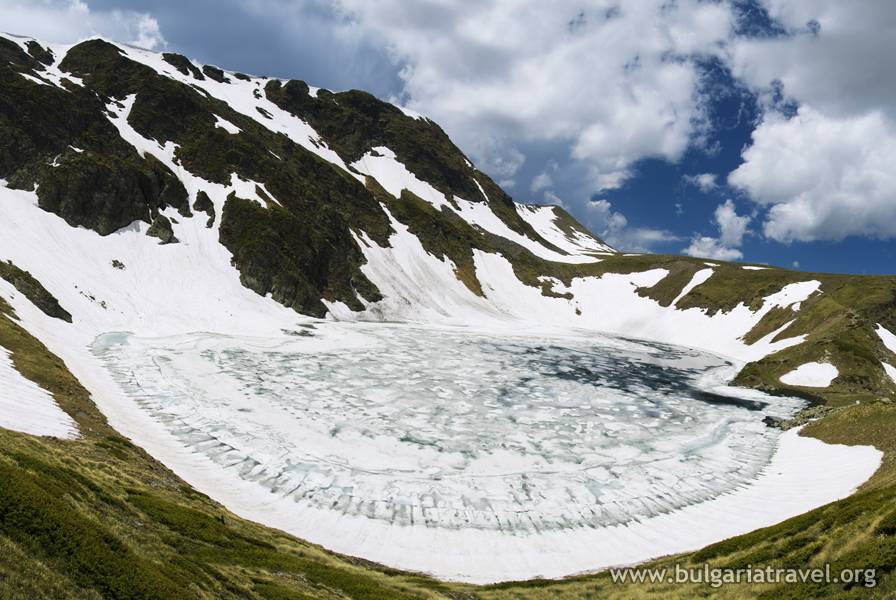
The Seven Rila Lakes is the most popular trekking destination in Rila Mountains because of the outstanding beauty of the glacial lakes and the whole cirque. The lakes are one of the 100 national tourist sites in Bulgaria as well. These mountain pearls are amphitheatrically situated one above the other as follows: The Tear (the highest one at 2535 m. a. s. l.), The Eye, The Kidney, The Twins (the largest), The Trefoil, The Fish Lake and The Lower Lake (the lowest one at 2095 m. a. s. l.).
Each lake carries a name associated with its most characteristic feature. The highest one is called Salzata (“The Tear”) due to its clear waters that allow visibility in depth. The next one in height carries the name Okoto (“The Eye”) after its almost perfectly oval form. Okoto is the deepest cirque lake in Bulgaria, with a depth of 37.5 m. Babreka (“The Kidney”) is the lake with the steepest shores of the entire group. Bliznaka (“The Twin”) is the largest one by area. Trilistnika (“The Trefoil”) has an irregular shape and low shores. The shallowest lake is Ribnoto Ezero (“The Fish Lake”) and the lowest one is Dolnoto Ezero (“The Lower Lake”), where the waters that flow out of the other lakes are gathered to form the Dzherman River.


Myths and legends
Popular imagination frequently creates myths and legends about natural phenomena. Many legends have come down to us through the ages.
The very first legend tells the story of the lakes’ creation. Many years ago there was a small village between Panichishte village and the seven lakes of Rila. In that village there lived a beautiful girl – Smilyana. One day she went to the well to fetch water. A sunray slid down the coppers she was carrying, they reflected it and it lit up her face. The Sun was dazzled by her astounding beauty and fell in love with her.
From that day on, he could think of nothing else. In the morning she would watch the sunrise in the doorway of her cabin, in the evening she would watch as the sun set. Then harvest time came. Smilyana went down to the valley with her friends to reap the field of the local Bey. The day was gloomy but when she appeared the sun seemed to shine. The Bey was so taken with Simlyana that he assaulted her but she fought back fiercely. As punishment she was hanged. When the sun came out and set eyes on this mournful picture, it cried. Its sparkling tears fell down and filled the valleys of Rila, and that was how the Seven Rila lakes came into being. That is the reason why people call the water of the lakes the Tears of the Sun.
The second legend has to do with the conservation of energy. According to this legend there is a reason why Okoto Lake is called that – the Eye – because it is the “eye” of nature, watching what people in these parts are doing. When they break the laws of nature, they are punished by Bubreka – the Kidney. Stories are told of shepherds who have taken their flocks out to graze on the nearby ridges and have broken these laws. Then a storm cloud would rise from Bubreka Lake and rain would pelt down from it, destroying crops and herds. According to Bulgarian mythology, each lake had its own mythical master and patron. That is why one of them bears the name Halovitoto – derived from the word “hala” – whirlwind. Once, people believed it was home to whirlwinds and storms. Other lakes had to be safeguarded by wood-nymphs.
According to the legend of the Seven Rila Lakes thousands of years ago, when the planet Earth was still uninhabited by the modern people, a couple of giants lived in the Rila Mountain. They loved each other dearly and cherished the beauty and comfort of their home. It was so attractive, sunny, warm and cozy that every living creature would be captivated by it, and the love the giants had was celebrated by all elements of nature and by the whole world.
Unfortunately, however, one day, the evil forces passed by the giants’ home. The moment they saw that beautiful spot, they got angry because they envied the marital happiness of the giants and decided to destroy that heavenly home and to wipe their love off forever. They sent dark clouds and devastating winds. Dreadful earthquakes shook the ground. The giant husband fiercely defended every blade of grass, every little creek and flower. He protected his beloved wife and beat back the evil forces. This however only boosted their spite and cruelty and they were determined to bring to an end their fiendish undertaking. In the tough battle that followed the young giant was killed. Satisfied with their achievement, the evil elements went away leaving behind broken rocks, devastated valleys and a grief-stricken woman.
The anguish of the young widow was so huge that her tears gushed out in a never-ending flow that streamed down the ridge right into the valleys. They were collected there to form clear lakes of striking purity.
Before reaching the Kidney Lake mountain guides show to travelers a huge rock situated in the direction of the Tear Lake, which “features” a man and a woman in huge dimensions. According to the legend, these are the figures of the two giants in love with each other, who will remain there to “protect” their beautiful home forever.
Every year on August 19, there is a large gathering of the White Brotherhood or Danovites, who congregate to celebrate their New Year. The celebration takes place near Kidney Lake and consists of ritual rhythmic unison dancing in a large circle. For the Danovites, the Rila Mountains are a holy place where thousands of devotees gather every year to greet the dawn.
Why visit Seven Rila Lakes
The natural phenomenon has impressed millions of people. People who truly love nature will appreciate the irreplaceable beauty of this place.
More to see nearby
The Rila National Park
In the park there is: lake with water wheels, football field, volleyball court, tennis courts, basketball court, Olympic-sized game, children’s pool, zoo and theater stages. Suitable place for families with children.
A path of fairy tales
The path of fairy tales is located in the resort village of Panichishte. Its name comes from the fact that along the entire route there are boards with drawings of famous children’s tales and favorite fairy tale characters.
Saparevo Monastery St. Stefan
The church of St. Stefan is located in the Rila Mountains. includes a complex of church, residential buildings chapel of St. Stilian of Paphlagonia. It has been destroyed several times over the centuries. An interesting place to visit and walk.
Combine your Seven Rila Lakes visit with a few more sights
Turn it into a memorable trip!
RILA MONASTERY
SANDANSKI
MELNIK
Location
Contact us
Why us?
Private Groups & Tailor-made Tours
Attention to detail
Perfect planning and organization
We put in an extra effort to help you feel the spirit of Bulgaria!
Enjoy more of Bulgaria's sights
CONFITO offers you a tailor-made trip to all the sights you are interested in!
We guarantee you a memorable stay in Bulgaria!
+359886-701-858
info@confi.to