

Great scenery

Historic sight

Museum
The fascinating tale of a girl named Vida
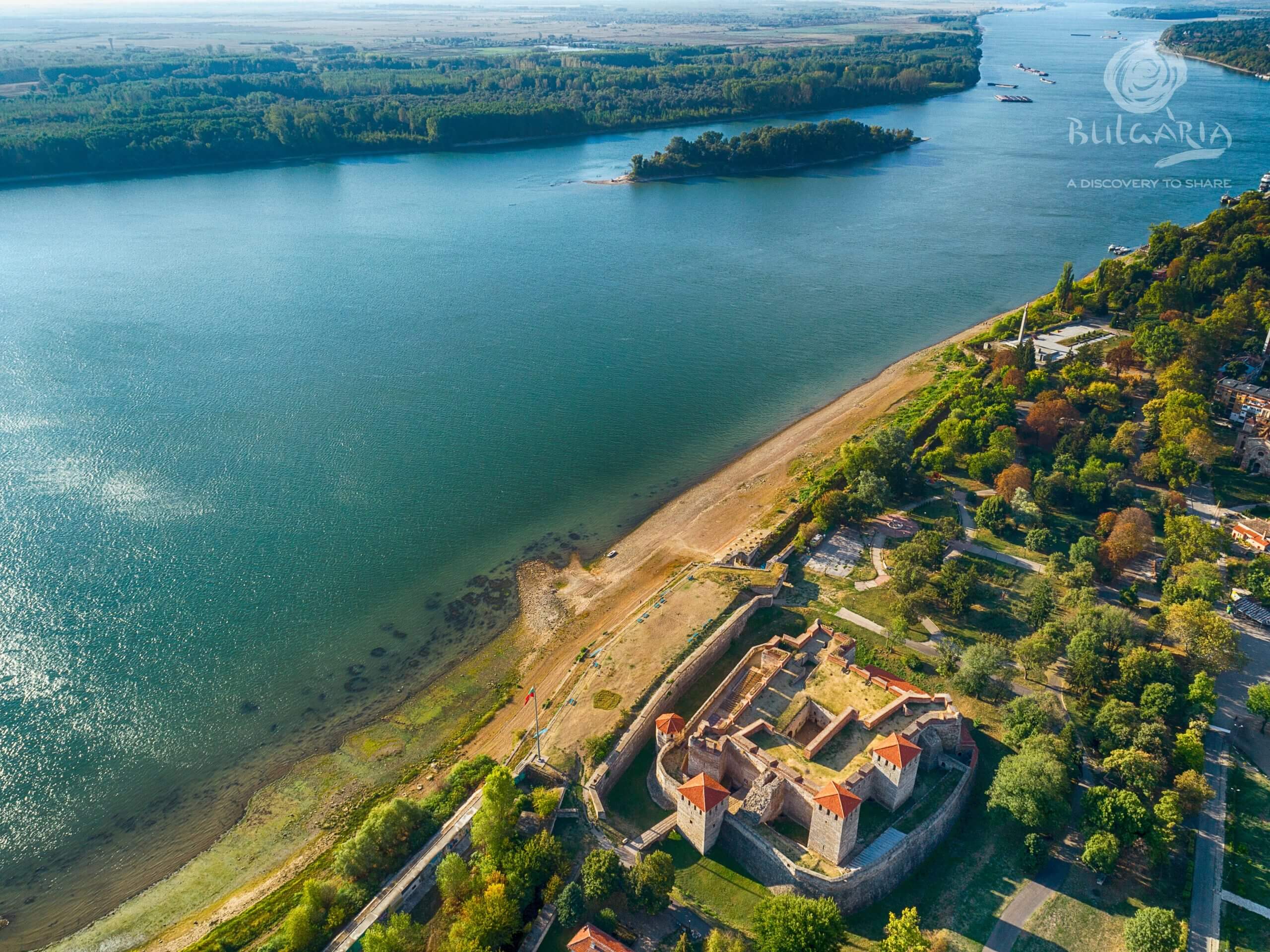
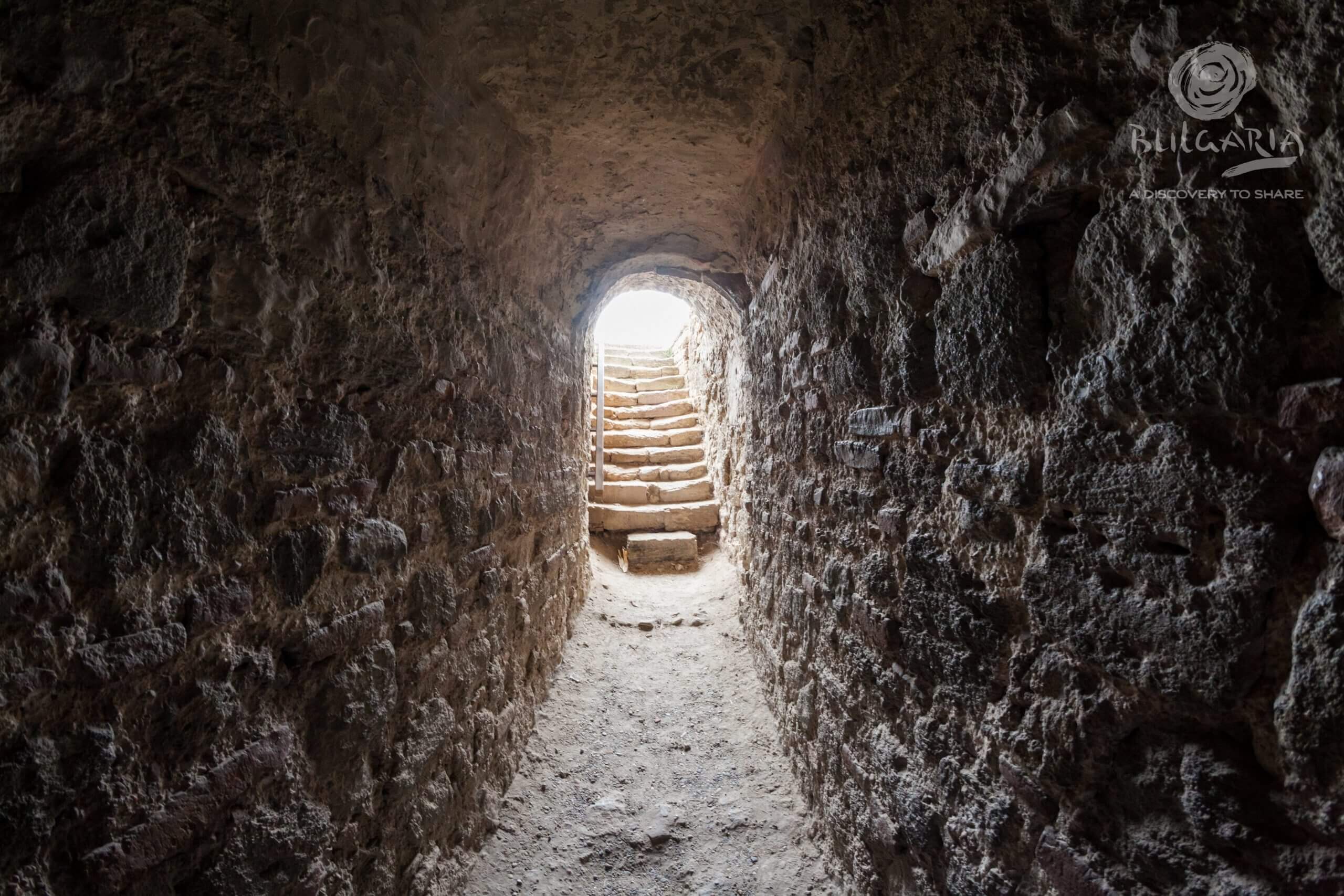
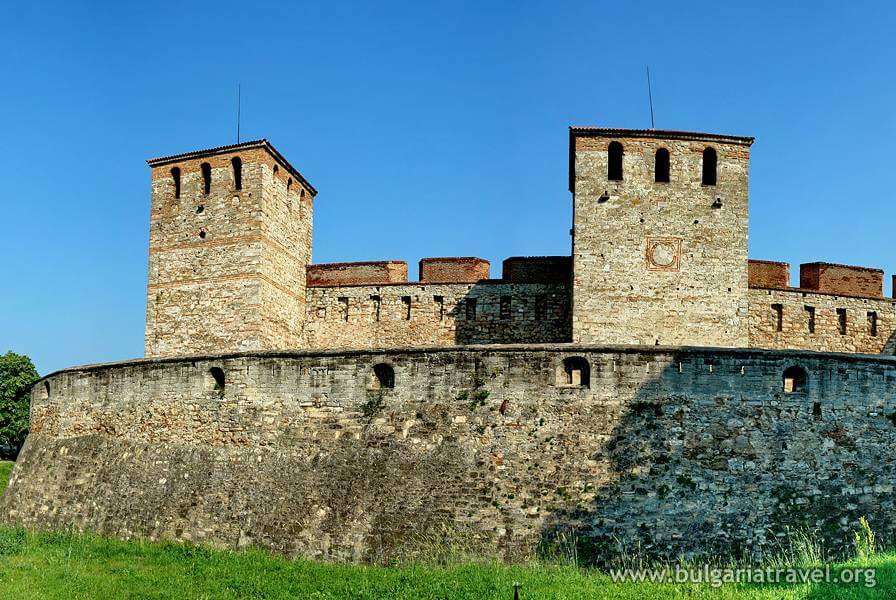
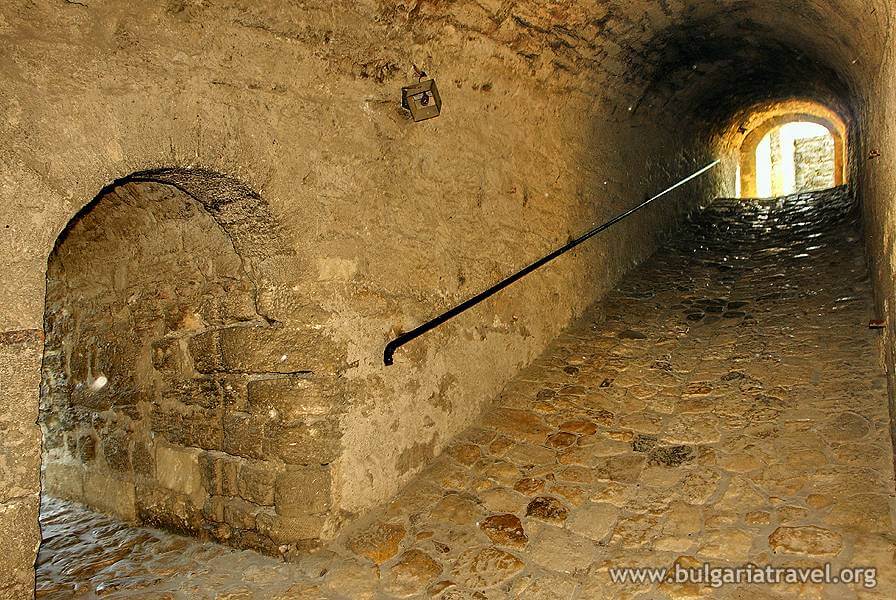
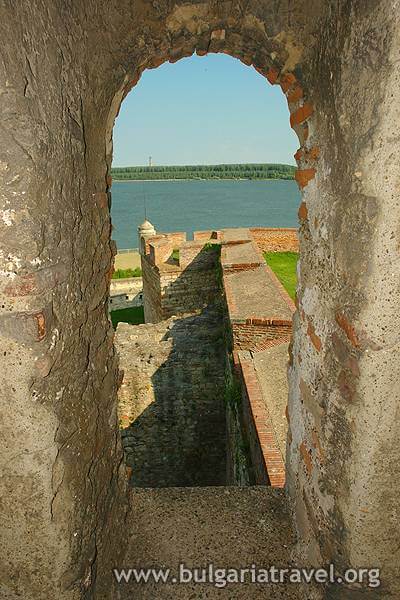
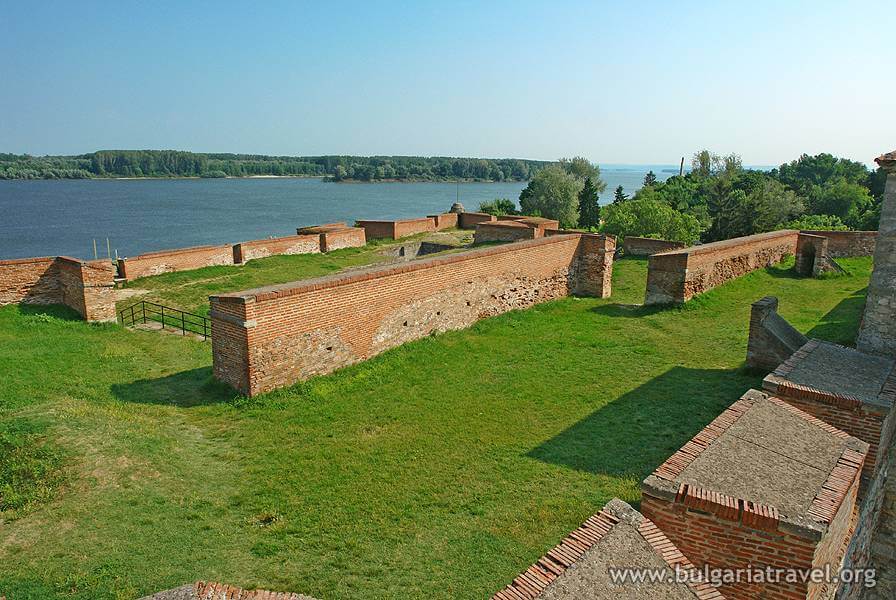
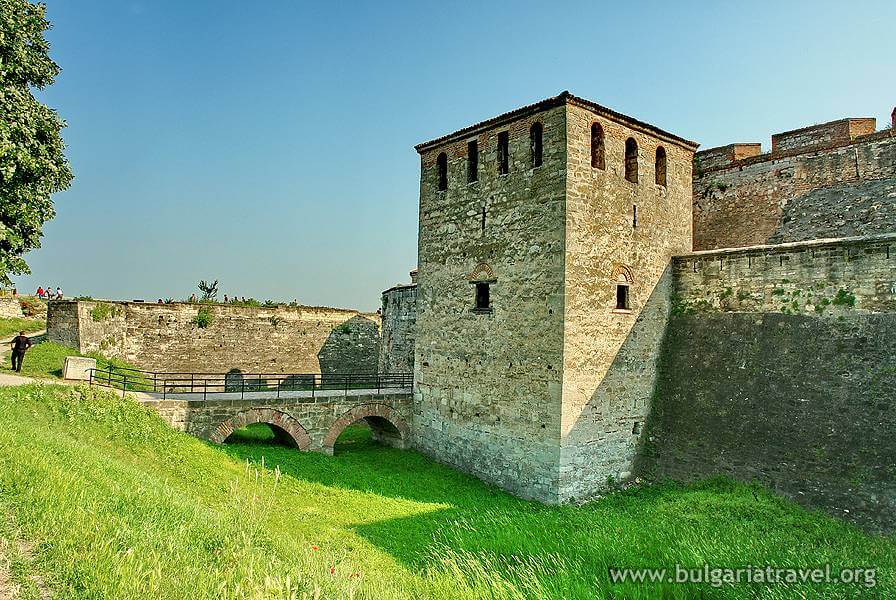
Baba Vida is a medieval fortress in Vidin in northwestern Bulgaria and the town’s primary landmark. It consists of two concentric curtain walls and about nine towers of which three are preserved to their full medieval height, including the original battlements, and is said to be the only entirely preserved medieval castle in Bulgaria. Baba Vida is 39 metres (128 ft) above sea level.
One of those says that there was a girl called Vida that used to live around these parts. She was the daughter of a rich boyar (high-ranking aristocrat) whose realm spread from the Balkan to the Carpathians. Vida had two sisters – Gamza and Kula. They had extremely unsuccessful marriages and their wastrel husbands squandered all their inheritance after the death of their father. Vida did not want that to happen to her and chose to remain a spinster. She built the castle and lived there to an old age, protecting the local populace from enemy raids. That’s where “baba” (grandma) comes from.
Another legend says that the rich boyar had two daughters and two sons. The boys were called Kosta and Gamzo and the girls were Vida and Kula. As in many similar feudal stories, after the old boyar died, the kids split up and each took their part of the inheritance. Thus the towns of Kostolets, Gamzigrad, Vidin and Kula came to be. The third legend is the simplest. There are two children, Kula and Vida, and Vida was a great beauty. However, for unknown reasons, she had reservations for starting a family and refused to marry. Kula was distraught over this; it is not known whether she herself was married, but it is believed she was the elder of the two. She was so insistent that the young beauty get married, that the two often quarreled. Finally, when Kula couldn’t take it anymore, she gave up on her stubborn sister and went to found the eponymous town of Kula and find peace there. Vida also found peace and never married. Finally, when the Turks came, instead of settling down with a family, she led the defense. She ordered the construction of the ten towers that were later called Baba Vida Towers.

History of the fortress
Of course, history is completely different from mythology. It spans for over 20 centuries. From the ancient times there were fortified facilities at the strategic location just at the big turn of the Danube. At the place where the fortress is now, there used to be an observation post built by the ancient Romans. It was part of the border of the Roman Empire. In the 3rd century they started building a fortress around it called Bononia. It later turned into a castle for the local ruler and the best fortified building in the city (the Kaleto neighborhood in Vidin). During the First Bulgarian Empire, the Bulgarians built a medieval building on the foundations of the roman fortress.
Construction of Baba Vida started in the 10th century and had several stages. According to the Byzantine chronicles, Baba Vida survived an eight months long siege by Emperor Basil II. The Vidin fortress was the most significant fortification in all of Northwestern Bulgaria during the Second Bulgarian Empire. It was ruled by the Shishman dynasty until 1365, starting with Shishman I and ending with the first rule of Stratsimir. Later the principality fell under Hungarian occupation and was turned into a viceroyalty (banate) of the Hungarian crown, governed by the bans Benedict Himfy and Peter Himfy. Vidin regained its independence in 1396 and that was the beginning of the second rule of Stratsimir, succeeded by Constantine. The fortress was expanded and improved. Stratsimir used it as a castle and built numerous internal towers and walls. The current look of the fortress resembles the way it looked at his time. Several buildings from that period have been preserved today, including the towers and the wall at the Danube. During the Ottoman rule after 1419, the principality was turned into a sanjak, governed by a sanjakbey. In 1864 there was an administrative reform and the Vidin sanjak was converted into a pashaluk. Soon, after another reform, the pashaluk was eliminated and the territory was included in the Danubianwilayah. During the Ottoman rule, the Baba Vida fortress was an important defensive facility with a barracks and battlements.
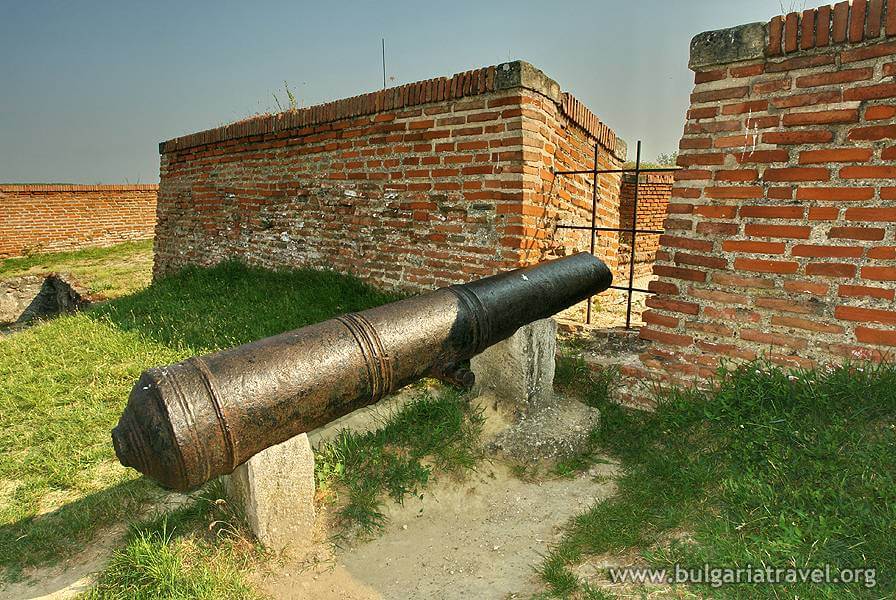
In the end of the 18th century it began to be used for weapons and food storage. It also served as a prison.The figures of an executioner and a prisoner with which the tourists often take pictures are attractive. Cannons and gallows are exposed on one of the terraces. After the liberation in 1876, it became military property and outsider access was banned.The first excavations in the fortress from 1956 to 1962 uncovered remains of the Roman, Byzantine, early Bulgarian, late Bulgarian and Ottoman age.
Baba Vida was opened to visitors in 1958 and a museum was arranged in the fortress.In 1964 the medieval castle was declared a monument of culture, having national significance.
The fortress is surrounded by a moat, which was sometimes filled with water from the river Danube, and the bridge was mobile. Baba Vida had nine corner and intermediate towers with the walls and the towers ending with loop-holes.
Today, Baba Vida is a fortress-museum, where finds and intelligence about its history are kept. Being a popular tourist attraction, the fortress was restored to its former appearance.
Enjoy more of Bulgaria's sights
CONFITO offers you a tailor-made trip to all the sights you are interested in!
We guarantee you a memorable stay in Bulgaria!
+359886-701-858
info@confi.to
More to see nearby
Beach
Just outside the fortress there is a sandy beach on the beautiful Danube river. You can bring a towel, enjoy the sun and relax. The scenery is lovely.
Rowing Base
The park where Baba Vida fortress is located ends with Rowing Base Baba Vida. The scenery is beautiful and tempting for those who love to take photos.
Port Vidin
Take a walk along the river and admire the ferries and cruise ships. There are several cafes and restaurants nearby.
Riverside Cafe
You can find a small cafe nearby the fortress. Get a drink and refresh before your next sight on the program.
Monument of Freedom
The monument was built in 1965 and is made of granite. It’s 24 meters high. It is inscribed with the names of 237 people who died in 1923-1944.
Combine your Baba Vida Fortress visit with a few more sights
Turn it into a memorable trip!
BELOGRADCHIK ROCKS
CITY OF VRATSA
LEDENIKA CAVE
CITY OF MONTANA
MAGURATA CAVE
Location
Ask for a quote
Why us?
Private Groups & Tailor-made Tours
Attention to detail
Perfect planning and organization
We put in an extra effort to help you feel the spirit of Bulgaria!
Want to browse through more trips?
Take a look and book what suits you best!